Feature spec
Goal: Send a clear invoice after finishing a job.
- Add a client, line items, a due date, and payment instructions.
- Preview the total before exporting a PDF.
- Keep an editable draft if export fails.
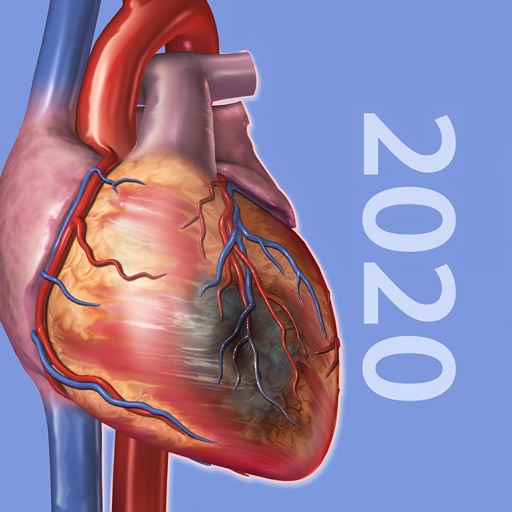
Discover what happens when physiology fails
$24.99 · In-app purchases
Evidence scope: No current overall US chart position is available. Category-chart positions shown in discovery are a separate scope. Revenue is a directional model estimate, not verified earnings.
A product spec, screen plans, and build steps for your coding agent.
First kit free with a verified email
Combine features and design from your favorite apps.
Kit ready. Verify your email to download it.
Generating… usually about a minute.
What should your app do differently? Your note travels with the kit so your coding agent builds around your idea.
A product spec, phased build plan, differentiation notes, and screen references.
Illustrative example: an invoice app for independent contractors. Your kit is tailored to the app you choose; this is not its generated content.
Goal: Send a clear invoice after finishing a job.
Invoice editor: Client at the top, editable line items in the middle, total and preview action at the bottom.
States: Empty draft, validation errors beside each field, exporting, and a retry action that preserves the draft.
Hypothesis: Contractors need faster repeat invoices more than more templates.
First experiment: Test duplicating a previous job with five contractors. Watch where they hesitate before expanding the feature set.
The full kit adds a phased build plan, evidence notes, tool prompts, and implementation guidance. It is a plan for your coding agent, not a finished app.
Usage: Mechanics are fair game; never reuse the original name, branding, assets, or verbatim copy.
JavaScript is required to complete mailbox verification.
Good fit for mobile-first iOS and Android prototypes with managed app scaffolding.
Rork plan preview for Physiology & Pathology: map the core Medical workflow, choose the smallest differentiated feature set, define the data and monetization boundaries, then prototype the riskiest user journey first.
Preview ready. Verify your email to reveal and copy the full prompt.
JavaScript is required to complete mailbox verification. Return to this prompt preview.
Affiliate link: CloneChart may earn a commission at no extra cost
These are generated suggestions, not verified review quotations. Check current App Store reviews and speak with users before treating a possible gap as a requirement.
Hypothesis 1
Assumption to check: Users find the content overwhelming due to the amount of information presented.
Validate with people who use this workflow before building.
Hypothesis 2
Assumption to check: Some users experience difficulty navigating through the app's many features.
Validate with people who use this workflow before building.
Hypothesis 3
Assumption to check: In-app purchases can be confusing with unclear descriptions.
Validate with people who use this workflow before building.
Hypothesis 4
Assumption to check: Performance issues with loading content quickly.
Validate with people who use this workflow before building.
Original App Store material. Ratings and screenshots describe the existing app, not proof of demand for your version.
Discover what happens when physiology fails. Work through interactive lessons that explain the step-by-step breakdown of common cardiovascular, renal, respiratory, gastrointestinal, and musculoskeletal processes. Physiology & Pathology covers 48 physiology topics and 57 conditions, with 50 lessons, more than 5,800 3D models, 38 animations, 16 illustrations, and 26 quizzes. -Compare 3D models of normal anatomy to models of common diseases and conditions -Set the heart rate and visualize conduction in a dissectable, beating 3D heart, and follow along on an ECG -Watch animations that present to the physiological processes of gas exchange, pulmonary ventilation, fluid balance, peristalsis, and more -Walk through interactive lessons to understand the progression of atherosclerosis, kidney stones, lung cancer, and other common conditions -Test your knowledge of various physiological processes and pathologies with quizzes "I can’t wait to teach with this—it is the first time I have seen heart conduction, blood flow, ecg, and heart contractions all together!" Cindy Harley Associate Professor of Biology Metropolitan State University The current release of Physiology & Pathology includes the following units: Cardiovascular, respiratory, renal, gastrointestinal, and musculoskeletal. More content coming soon. Cardiovascular Overview Heart Wall Heart Chambers and Valves Cardiac Cycle Heart Conduction Blood Vessels Blood Pressure Cardiac Output Cardiovascular Regulation Atherosclerosis Coronary Artery Disease Myocardial Infarction Hypertension Aortic Stenosis Arrhythmias Cardiac Tamponade Mitral Valve Prolapse Heart Failure Respiratory Overview Respiratory Tract Pulmonary Ventilation Respiratory Compliance Airway Defenses Alveolar Structure and Function Gas Exchange Respiratory Regulation Pneumothorax COPD Asthma Lung Cancer Pulmonary Edema and ARDS Pneumonia Pulmonary Embolism Tuberculosis Renal System Functions Fluid Balance The Kidneys: Blood Filtration Filtration, Reabsorption, and Secretion Nephron Function Concentration Gradient Vasopressin Acute Renal Failure Acute Tubular Necrosis Kidney Stones UTI Chronic Renal Failure Polycystic Kidney Disease Gastrointestinal Tract GI Walls: Smooth Muscle Peristalsis GI Walls: Mucosa and Submucosa Accessory Organs Absorption The Liver and Blood Processing GERD Peptic Ulcer Gallstones Inflammatory Bowel Diseases Colorectal Cancer Diverticulitis Cirrhosis of Liver Hemorrhoids Musculoskeletal Overview Physiology of Muscle Contraction Bone Structure and Tissue Intervertebral Joints Synovial Joints Shoulder: Flexion, Extension, Horizontal Abduction, Horizontal Adduction, Abduction, Adduction, Medial Rotation, Lateral Rotation Knee: Flexion, Extension, Medial Rotation, Lateral Rotation Osteoporosis Bone Fractures: Proper Healing Bone Fractures: Improper Healing Neuromuscular Disorders Duchenne Muscular Dystrophy Cervical Spondylosis and Radiculopathy LSS and Sciatica Rotator Cuff Tendinopathy Adhesive Capsulitis Shoulder Labral Tear Lateral Epicondylitis Medial Epicondylitis Carpal Tunnel Syndrome Wrist Sprain Hip Bursitis Hip Labral Tear Osteoarthritis of the Hip Joint Knee Sprain Torn Meniscus Osteoarthritis of the Knee Joint Achilles Tendinopathy Plantar Fasciitis Shin Splints Tibial Stress Fracture Ankle Sprain Other Bone and Joint Pathologies
Written user reviews are not shown here. Check current App Store reviews >
Plan a focused first version with your coding agent. These are planning assumptions, not a delivery guarantee.
Choose one audience and one core workflow. Use the kit to agree on its screens, data, and acceptance criteria before building.
Decide which secondary features, integrations, and platform support can wait. Your version does not need to reproduce everything in the original.
Validate external services, specialist technology, data access, and ongoing costs for your chosen scope.
From the Build Kit assessment.
A reliable timeline needs an agreed scope and a technical check. Ask your agent to estimate the phases in BUILD_PLAN.md after that review.


